Years ago, American baseball Hall of Famer and world-class malapropist Yogi Berra is reputed to have said of St. Louis restaurant Ruggeri’s, “Nobody goes there anymore. It’s too crowded.”
Tourism boards and local communities worldwide are battling the same issue, in New York, Paris, Venice, Amsterdam, Bali, Macchu Picchu and so on.
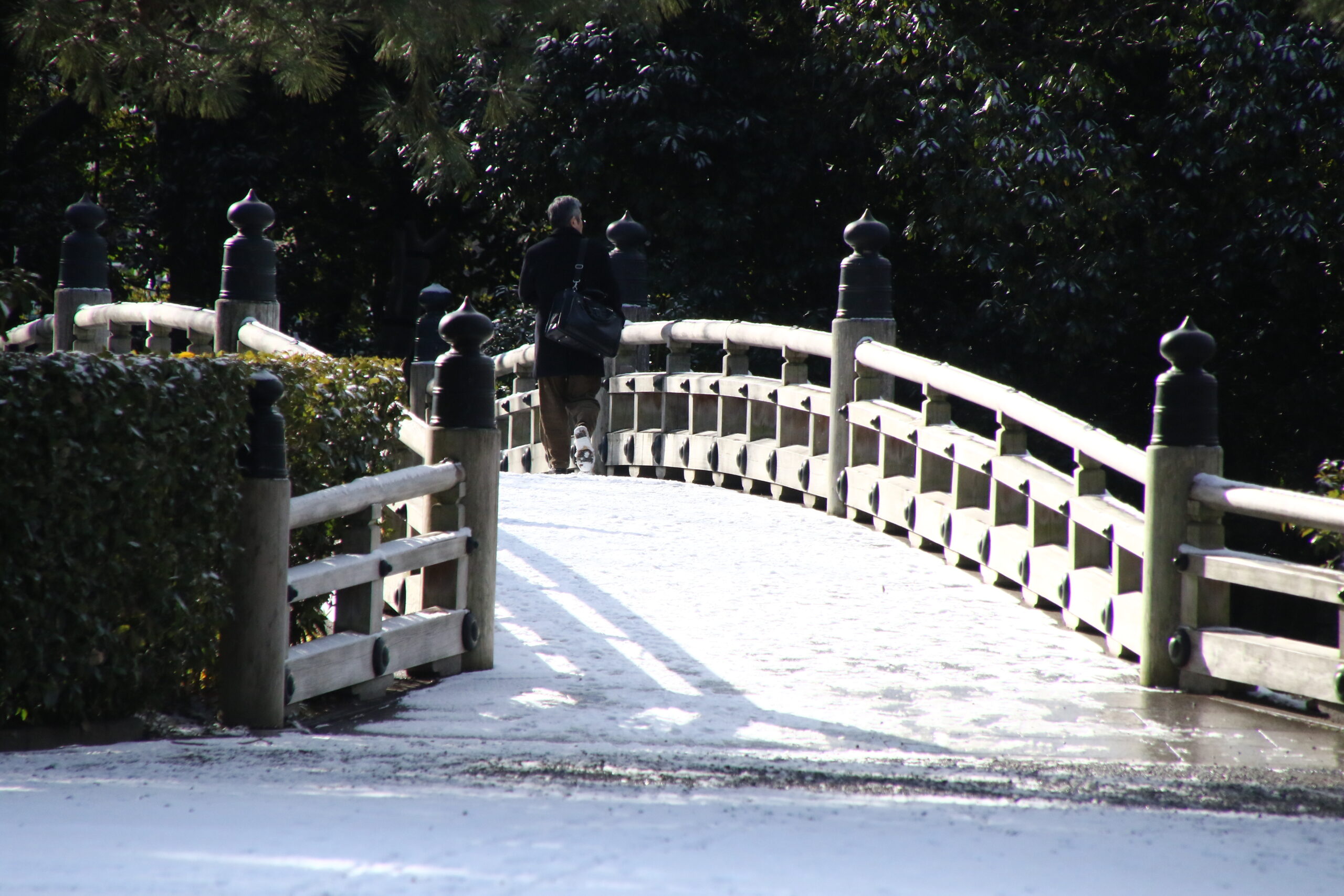
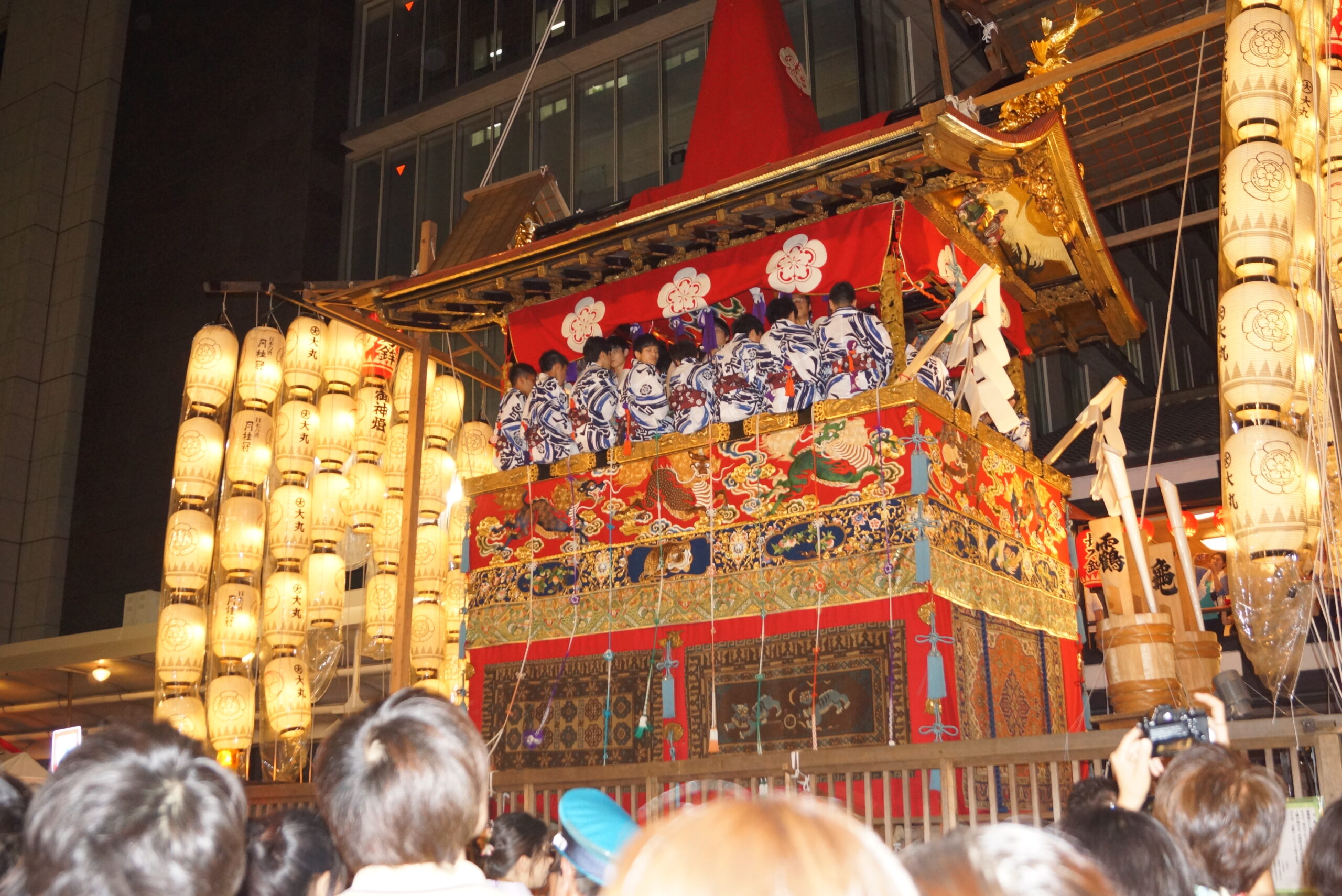
In Japan, you’ve heard (and seen the photos on social media!) about over tourism in Kyoto, but the problem is not limited to Kyoto. Instagram and “bucket list” tourism can have travelers to parts of Tokyo, Osaka, Kamakura and Mount Fuji feeling as though they’re in Times Square on New Year’s Eve, but as is true in many favored destinations, smart planning can yield experiences that don’t feel at all “mass-produced.”
What are the secrets of avoiding “Times Square syndrome”?
First, realize that some places are on everyone’s bucket list. If you can’t live without ticking those boxes (the Great Wall, the Eiffel Tower, the Taj Mahal, the Sydney Opera House, Fushimi Inari-taisha), you’ll want to go at “off peak” times.
Many “mass” tourist spots are uncrowded first thing in the morning. Why? Because the tour groups don’t have breakfast until 8:00, they don’t meet in the lobby until 9:00, their buses don’t leave until 9:15, and they don’t arrive at their first “sight” until 10:00 or 10:30 or 11:00. Sometimes not until lunchtime. If you’re there when the doors open, or in the case of an outdoor venue, shortly after dawn, you are often alone on site.
Second, think about the calendar as well as the clock. Traveling with school-age kids, this is trickier; you have to travel during school holidays, and those are the same for everyone (except Japanese, who observe an April-March school year!).
Do you need to travel in August, when many people take their annual leave? If so, you’re going to meet many of those people on the road. Planning a trip to Venice? In July and August, the city receives over half a million visitors (each month). But in December (Christmas in Venice!), visitor numbers are less than half, which translates to easier-to-find rooms and tables, and lower prices.
The same is true of Japan. Last year, 42.68 million overseas travelers visited Japan, and many of them tried to catch cherry blossom season. We’re huge fans of Japanese cherry blossoms, but not when we have to navigate “Times Square on New Year’s Eve” crowds to observe them. If you like flowers, we can recommend plum blossoms, magnolias and chrysanthemums.
If you want to see autumn leaves, we have hundreds of “secret spots” that the crowds don’t know about.
And in winter, while the masses queue for lifts in Niseko, we’re skiing and snowboarding in the Japan Alps, a short bullet train ride from Tokyo, on the slopes that hosted the 1998 Winter Olympic Games and most days are pretty accessible.
And, as for July and August, these two months offer pleasantly surprising tranquility and affordability, due to the fact that heat and humidity levels send many of the locals to the beaches and mountain tops, offering you the cities, shrines and temples to enjoy with a folding fan and icy neck cooler to aid your comfort.
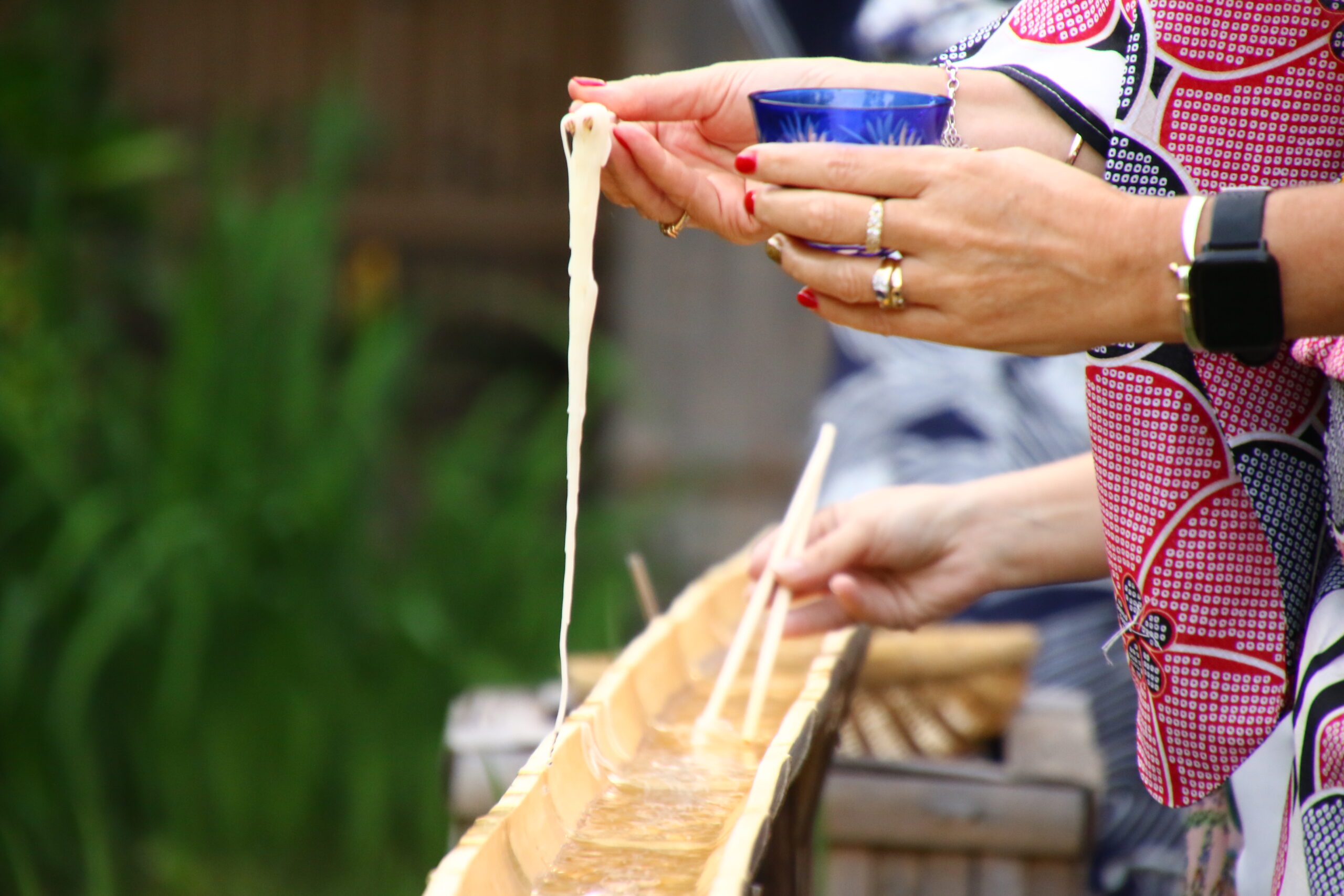
One of the best things about being a subject matter expert – in our case, on the subject of Japan travel – is introducing business events clients to unexpected joys that are unknown to the masses. A temple or garden that no one else has on their Instagram. A sushi restaurant that hasn’t been the subject of a documentary film. A town or village that feels like it did 50 years ago.